
Costa Rica Rainy Season with Kids: What to Expect
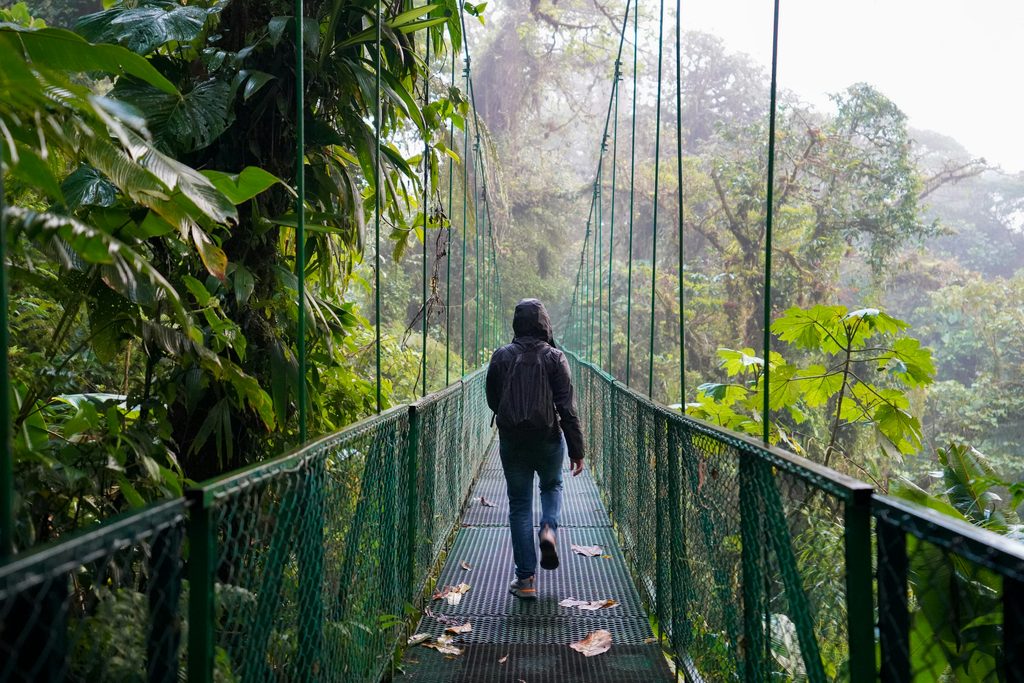
Costa Rica rainy season with kids works well when you plan around the weather instead of against it. Mornings are often clear, the countryside is at its greenest, and crowds and prices are lower than in the dry season.
Most parents assume the rainy months mean ruined days and soggy kids. The rain is real, but it follows a pattern, and a good plan works with it. Below is what the weather actually does, which months and regions I would choose, and how I build the trip so nobody spends a day stuck inside.
What is Costa Rica’s rainy season, and why is it called green season?
On the Pacific side, the rainy season runs roughly from May through November. The Caribbean coast has its own rhythm, and its wet stretch ends earlier, around September.
Tourism boards call it green season, and I use both names. The rain is what turns the country green. After months of dry weather, the rainforest, the farmland and the waterfalls all fill back in. The dry season runs from mid-December to April, with November acting as the bridge between the two.
Rain is not spread evenly across those months. October is generally the peak, which matters when you choose your dates.
Does it rain all day in Costa Rica’s rainy season?
Usually not. On much of the Pacific coast, mornings tend to be dry and sunny, and the showers arrive later in the day.
I plan around that. Zip-lining, wildlife walks and beach time go in the morning. Afternoons are for the pool, a cooking class or a rest. This works well because kids need a reset in the afternoon anyway, and nobody feels the day was cut short.
There will be days of steadier rain, especially in the wettest weeks. A flexible plan and the right gear turn those into a slower day, not a lost one.
Is Costa Rica’s rainy season a good time to travel with kids?
For the right family, yes. Here is what you gain.
- Fewer crowds. Popular places are quieter, so tours are less packed and hotels are easier to book.
- Lower rates. I do not chase deals, but I like it when the same budget buys a better room or an extra night.
- Cooler temperatures. Dry-season heat can climb, and the Pacific coast is a few degrees more comfortable in the rainy months.
And here is what you give up. Trails get muddy, some tours shift or cancel for weather, and roads can slow your transfers.
If your dates are fixed to spring break or Christmas week, you will be traveling in the dry season anyway. If your kids are very young and an afternoon on the beach every day is the whole point of the trip, I would choose the dry season. For school-age kids and multigenerational groups who value space and a slower pace, I recommend the rainy season for those families.
Which months and regions work best?
For families on summer break, I look first at July and August. They are traditionally among the drier months of the rainy season, and they line up with school schedules. November is a good option too if your calendar is flexible, since it sits right before the dry season begins.
I would skip September and October with younger children. October is typically the wettest stretch, and that is when a flexible plan gets tested the most.
The Caribbean coast follows a different pattern from the Pacific, and September and October are often its drier months. That makes the Caribbean side worth a look if those are your only dates.
I recommend choosing the month first and the region second, because the month decides which regions will be at their best.
What can families do in the rainy season that is better then?
Some of the best family experiences in Costa Rica peak in the green months.
- Sea turtles at Tortuguero. Nesting runs from roughly March to October, with verious species of turtles nesting. Hatchlings start appearing in late August through October.
- Whale watching. The southern hemisphere season begins in July along the southern Pacific coast, near Dominical.
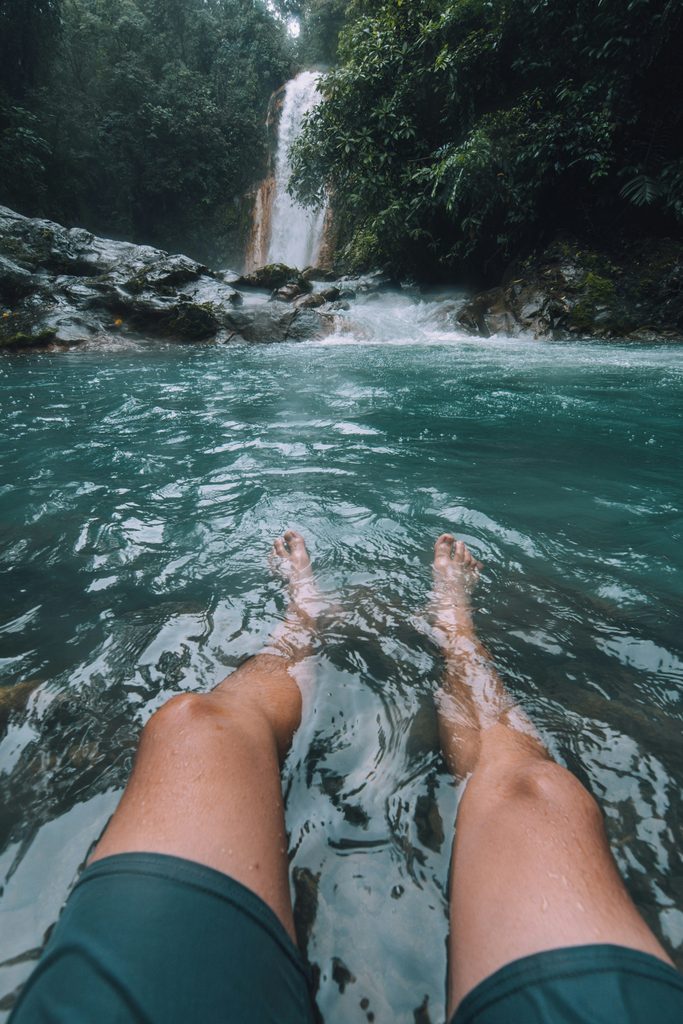
- White-water rafting and waterfalls. Higher water makes both more exciting, and operators set their own age minimums, so check them for your youngest.
For steadier-rain days, I keep a few covered options ready: a cooking class, a chocolate or coffee tour, a wildlife sanctuary, or a soak in the hot springs near Arenal. The springs stay open year-round, and younger children need close supervision there.
How I would plan it
I start with the month and the one thing the family most wants to see. Turtles point to Tortuguero in late summer. Whales point to the southern Pacific coast from July. I decide this first because it sets the region and everything after it.
From there, I keep the trip to two bases, three at most, over 10 to 14 days. This works well because fewer transfers mean fewer chances for a wet road to cost you half a day.
I arrange private drivers instead of self-driving. Someone local knows which roads are fine that day, and nobody is reading a map with tired kids in the back.
Each day gets one morning anchor activity, with the afternoon left open. I choose hotels with covered common areas, a pool and room for kids to burn off energy indoors. Availability is easier than in the dry season, but I still book early for suites and connecting rooms.
For packing, light quick-drying clothes, rain jackets and sturdy shoes cover most of it. Swimsuits too, since kids will be in the pool or the ocean rain or shine.
On an Arenal trip I planned last August, the rain came down hard. Some of the family’s favorite moments happened in the covered spaces: working out in the yoga house with the rain falling all around, soaking in the thermal pools, and reading in the hammocks. A wet afternoon feels very different when there is somewhere good to be. That is why I look for properties with covered places where the whole family can keep doing something enjoyable, rain or not.
I take the complexity out of family travel so nobody’s stuck doing it all on their own. In the rainy season, that mostly means building in enough flexibility that a change in weather is a change of plans, not a problem.
Quick Answers
Is Costa Rica still worth visiting in the rainy season?
Yes, for many families. You get lush scenery, fewer crowds and lower rates, and the best activities fit into clearer mornings.
What is the best month to visit Costa Rica in the rainy season?
Light quick-drying clothes, waterproof jackets and sturdy shoes. Add swimsuits, sun protection and bug protection.
Curious of what this trip would look like you can view a sample HERE
If you would like help choosing the right month and region for your family, send me a trip request and I will take it from there.
thoughts
tips
trips
Here, I share what I have learned while planning family trips across Europe and Central America. You will find honest destination guidance, ideas for traveling with three generations, and planning notes that cut the guesswork from early decisions. I write every post the way I would explain it to a friend over coffee, with the reasoning behind each recommendation.
Travel Stories & Planning Notes
Notes from Megan


